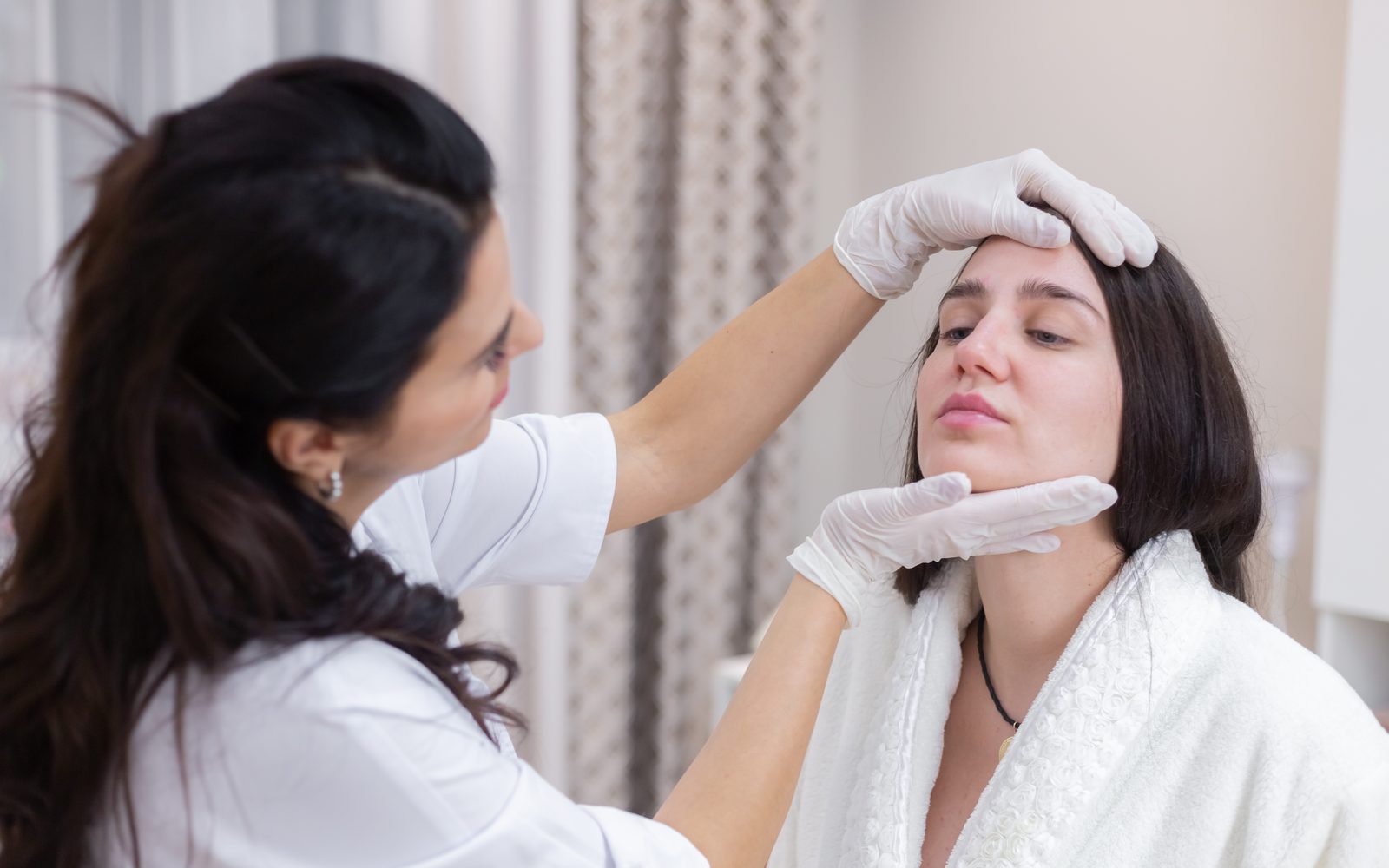
Pimples are red, congested or swollen lesions that appear on the skin, usually superficially. They are most often seen on the face, neck and back, and they generally arise from hormonal changes, stress, unsuitable skincare products or superficial infections.
Pimples usually appear under the influence of hormones. Androgens (male hormones) in particular act on the skin and can trigger breakouts, which is why acne is more common during puberty. However, pimples can also appear as we get older.
Sebum production in the skin can also cause pimples. Sebum keeps the skin oiled and preserves its moisture balance; but if sebum production becomes excessive or the pores become blocked, pimples can form.
Skin infections can also lead to acne. In particular, a bacterium called Propionibacterium acnes (P. acnes) plays a role. It is a natural micro-organism living on the skin, usually in oily areas. If the pores become blocked and sebum production increases, P. acnes multiplies and can cause an infection that leads to pimples.
Unsuitable skincare products can also cause acne. Products that may cause allergies or that are not suitable for your skin can irritate and inflame it and lead to breakouts. When choosing skincare products, try to choose those suited to your skin type and needs.
The following recommendations can help acne clear up:
- Regular skincare: use a suitable moisturiser and cleanser every day. Check that your products suit your skin and choose those made for your skin type.
- Wash your face regularly: wash your face at least twice a day and massage gently as you wash. This removes dead cells and make-up residue and improves circulation in the skin.
- Moisturise regularly: use moisturisers that provide the hydration the skin needs. This prevents dryness and breakouts.
- Reduce stress: stress can cause acne, so try to reduce it and make time for relaxing activities.
- Eat healthily: follow a diet that supports skin health, especially foods containing antioxidants such as vitamins C, E and A.
- See a doctor or skin specialist: if your acne becomes uncontrollable or you have other skin concerns, consult a doctor or skin specialist. They can recommend a skincare routine or medication suited to your skin type, and may prescribe medication to prevent inflammation or infection. Remember that every skin type and problem is different, so professional help is always best.
Blocked sebaceous glands and the multiplication of the bacterium Propionibacterium acnes play a role in acne formation. Blocked glands cause the skin's natural oils (sebum) to accumulate, which allows P. acnes to multiply. This leads to inflammation and pimples.
Various methods exist to prevent and treat acne, including:
- Skin cleansing: wash your skin morning and evening with a mild soap and water. Do not over-wash, as this strips too much of the skin's natural oil and can cause more breakouts.
- Choose the right make-up: use moisturising, non-comedogenic products that do not cause oil build-up. Remove your make-up every day and let your skin breathe.
- Protect yourself from the sun: sunlight can trigger acne, so use sunscreen and protective clothing.
- Reduce stress: regular exercise, a healthy diet and enough sleep all help.
- Consult your doctor: if you need help preventing or treating acne, your doctor or dermatologist can recommend a treatment suited to your skin, ranging from skincare products and medication to procedures.
In general, keeping the skin clean, choosing the right make-up, protecting yourself from the sun, reducing stress and consulting your doctor will help reduce your acne.